
Halo Engagement Rings
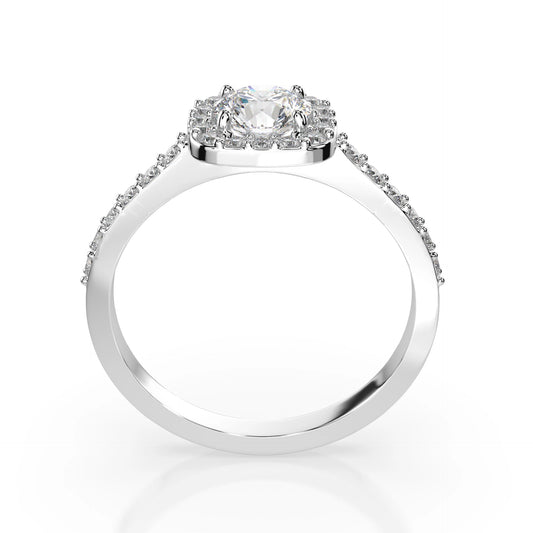
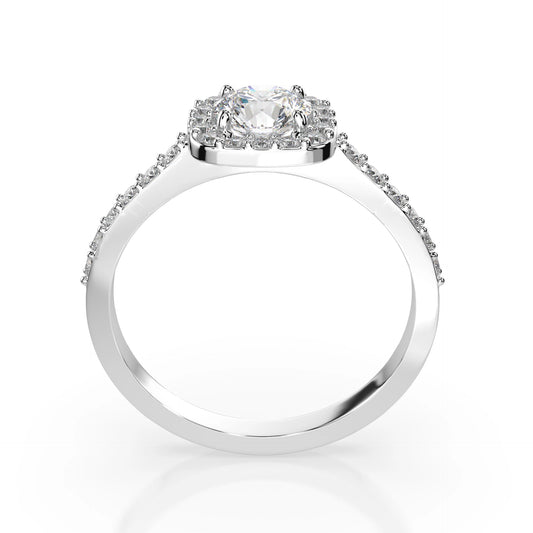
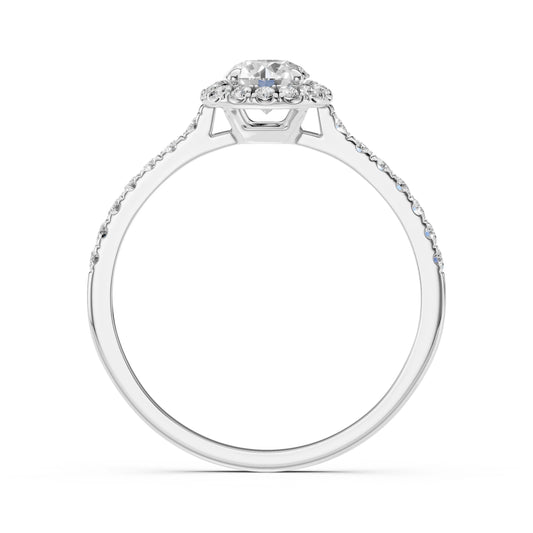
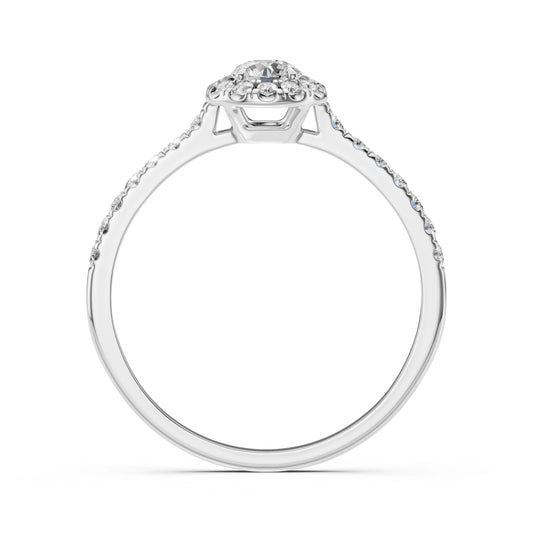
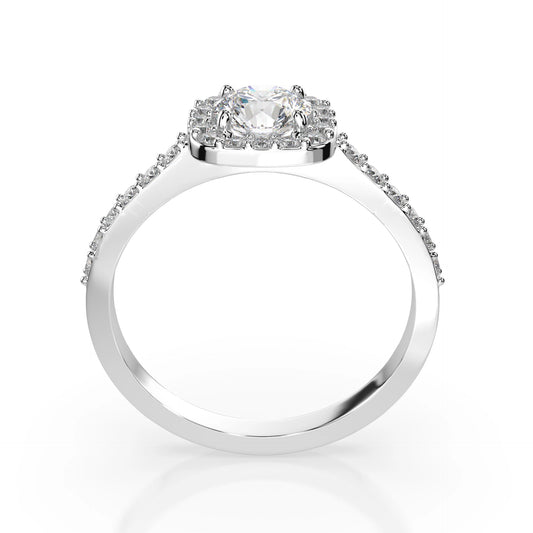
Halo engagement rings in solid 9ct, 14ct and 18ct gold. A ring of small diamonds encircles the centre stone, adding visible width — a 1 carat centre in a halo setting reads closer to 1.5 carat from above.
-
Cushion Halo Solitaire Eternity Diamond Ring Round 0.4ct | Qutahia Jewellery
Regular price From $1,231.00Regular price -
Cushion Halo Solitaire Eternity Diamond Ring Round 0.5ct | Qutahia Jewellery
Regular price From $1,245.00Regular price -
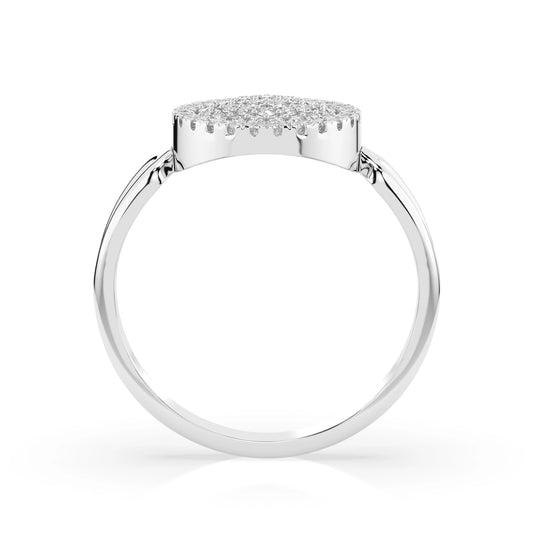
Round Halo Pavé Solitaire Eternity Diamond Ring Round 0.5ct | Qutahia Jewellery
Regular price From $1,365.00Regular price -
Round Halo Pavé Solitaire Eternity Diamond Ring Round 0.2ct | Qutahia Jewellery
Regular price From $900.00Regular price -
Cushion Halo Solitaire Eternity Diamond Ring Round 0.3ct | Qutahia Jewellery
Regular price From $1,125.00Regular price -
Illusion Halo Diamond Cocktail Ring 0.15ct | Qutahia Jewellery
Regular price From $1,350.00Regular price -
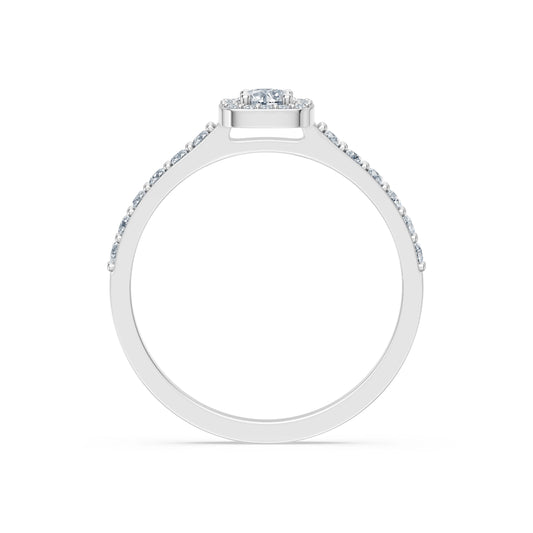
Round Brilliant Diamond Halo Engagement Ring 0.2ct | Qutahia Jewellery
Regular price From $945.00Regular price







Halo or hidden halo? They are not the same ring
These two names get confused constantly, and the confusion costs people the setting they actually wanted. A halo surrounds the centre stone with small diamonds in the same plane, visible from directly above — the whole cluster reads as one large stone. A hidden halo sits underneath, facing outward, invisible from above and only catching light from an angle.
If you want the ring to look unmistakably bigger and brighter at a glance, this page — the visible halo — is what you want. If you want the quiet outline of a solitaire with a secret underneath, the hidden halo is the other door.
Why a halo makes the centre stone look bigger than it is
The mechanism is genuinely optical, not a trick. A ring of small diamonds set flush against the centre stone extends the visible diamond area outward in every direction. The eye does not carefully separate centre stone from surrounding stones at a glance — it reads the whole bright area as one continuous surface.
In practice, a 1 carat centre stone in a well-proportioned halo reads closer to 1.5 carats from above. That is the entire commercial case for the setting: it buys apparent size for a fraction of what the equivalent jump in centre stone weight would cost. A cluster takes this further with no dominant centre at all; a halo keeps one clear hero stone and adds a supporting ring around it.
Round halo or cushion halo
The two shapes behave differently once surrounded:
- Round halo — a ring of diamonds around a round brilliant centre. The most symmetrical option and the one most people picture when they hear the word halo.
- Cushion halo — the soft corners of a cushion cut centre sit particularly well inside a halo, because the halo's outline can follow the cushion's rounded shape rather than a hard circle, giving the whole ring a softer, more antique feel.
Some of our halo settings also add a pavé band, carrying the sparkle from the halo down the shoulders of the ring rather than stopping at the centre.
Is a halo engagement ring dated?
Worth addressing directly, because the halo had a very visible peak in the 2010s and some people worry it is tied to that decade the way a 1980s cluster setting is.
What ages a halo is usually the proportions, not the concept. A halo sized close to the centre stone, in a plain band, reads as classic framing rather than a trend. A very large, thick halo with an oversized band is what carries the decade stamp. Kept in proportion, the halo is a genuinely old idea — antique halo settings exist from the early 20th century — and it has never really left circulation.
The honest maintenance question
A halo has more settings than a solitaire, and more settings means more to check. The small stones sit low, close to where hands meet everything during the day, and they collect everyday grime faster than a plain solitaire does.
None of this is a reason to avoid the setting — it is a reason to clean it more often and have the prongs checked annually, the same advice we give for any setting with multiple small stones. Warm water, a drop of washing-up liquid and a soft toothbrush once a fortnight keeps a halo looking as bright as the day it was made.
What a halo engagement ring costs
This collection runs from roughly £900 to £1,365. The halo itself adds relatively little to the price — the surrounding stones are a small fraction of a carat in total — so most of the difference between rings here comes down to the centre stone's weight and whether the band carries additional pavé.
Gold carat is a wear decision rather than a quality ladder: 9ct is harder and more scratch-resistant, 18ct is richer in colour and softer, 14ct sits in the middle and is where most of our customers land for an everyday ring.
Common questions
What is the difference between a halo and a hidden halo?
A halo sits level with the centre stone and is visible from above. A hidden halo sits underneath it, invisible from directly above and only catching light at an angle. They are genuinely different looks, not two names for the same ring.
Does a halo ring look bigger than it is?
Yes, and honestly so. A 1 carat centre in a halo typically reads closer to 1.5 carats from above, because the eye reads the surrounding stones and the centre as one continuous area of diamond.
Do halo rings need more looking after than a solitaire?
A little. More settings means more places for everyday grime to collect and more prongs to check. An annual check and a fortnightly clean at home is all it takes.
Can I choose a different centre stone or halo size?
Yes. Everything here is made to order in our own workshop, so centre shape and weight, halo size, gold carat and colour can all be specified. If what you want is not shown, commission it — the first conversation costs nothing.