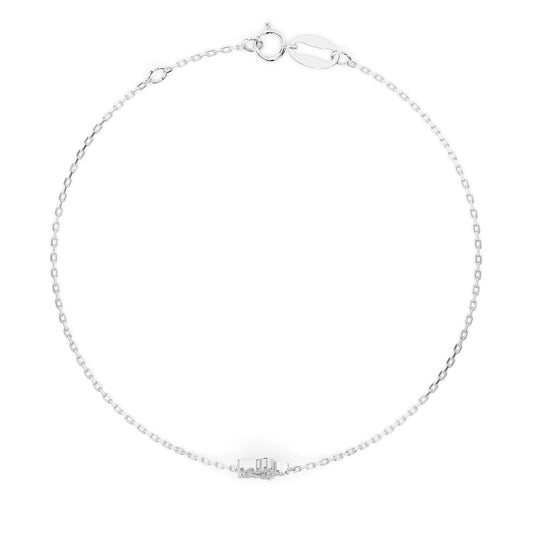
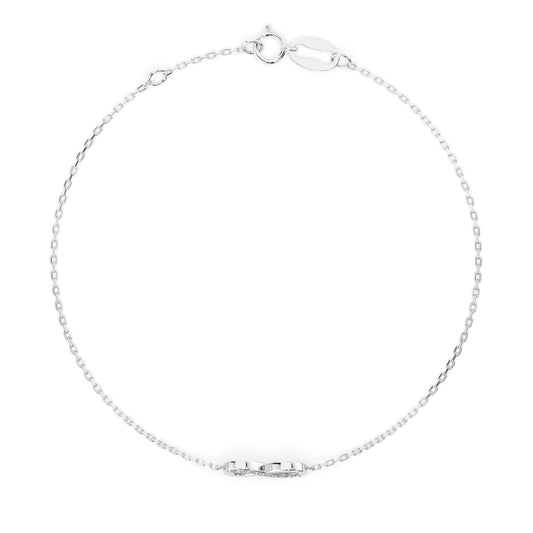
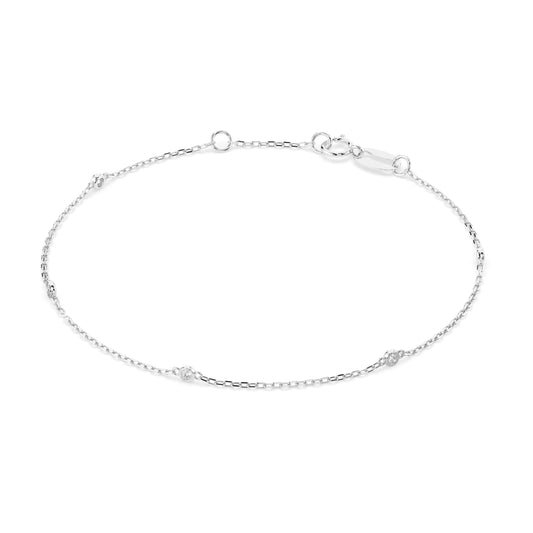
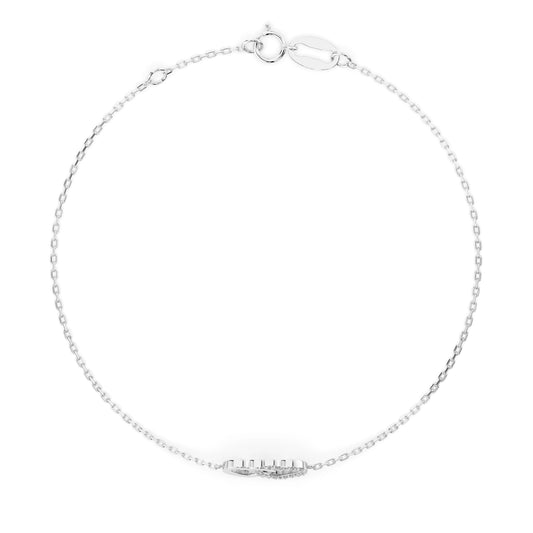
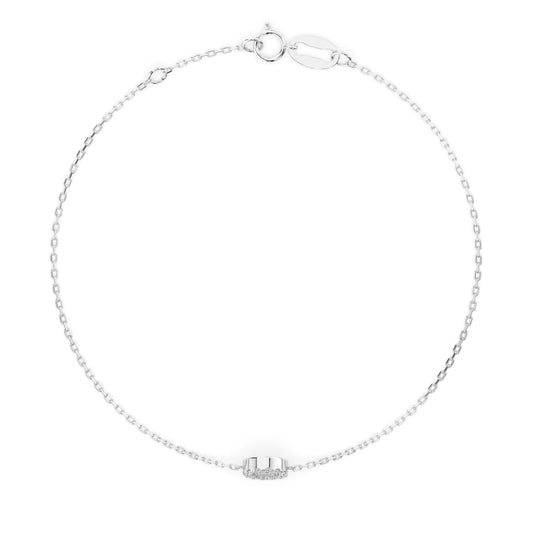
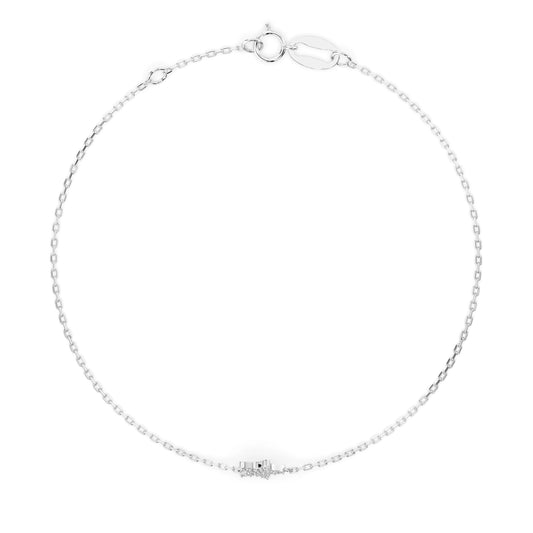
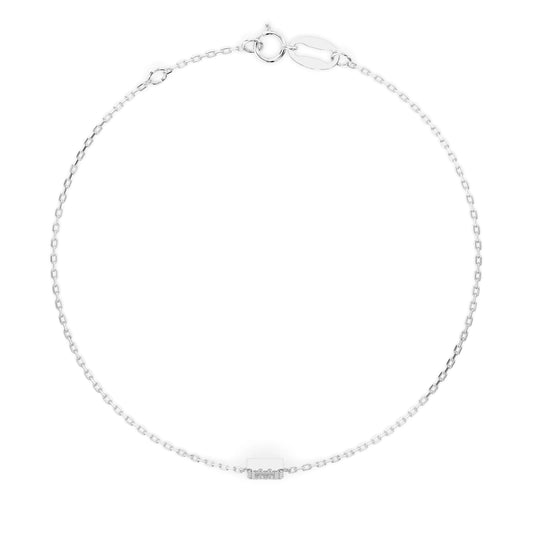
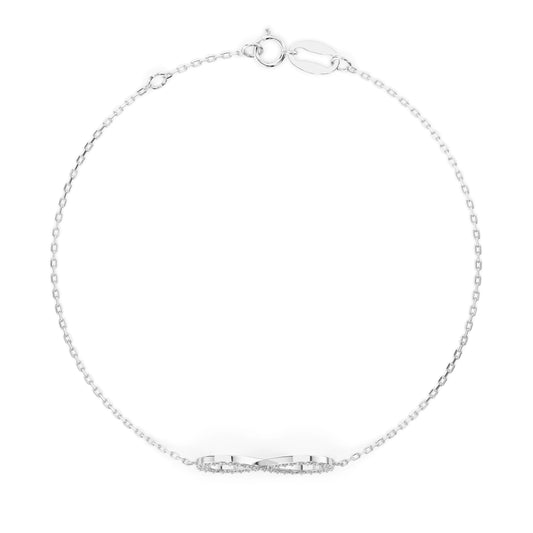
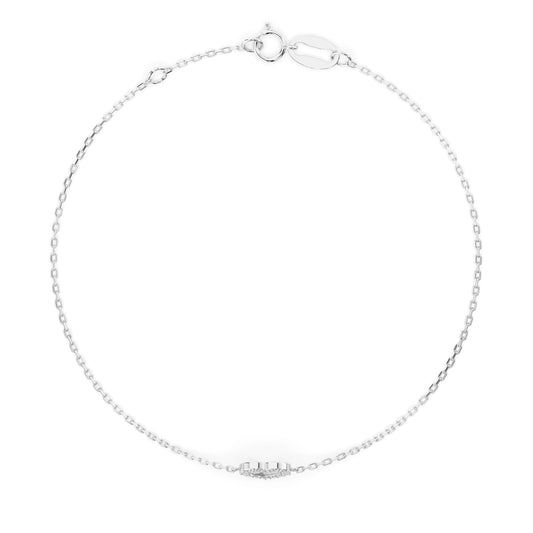
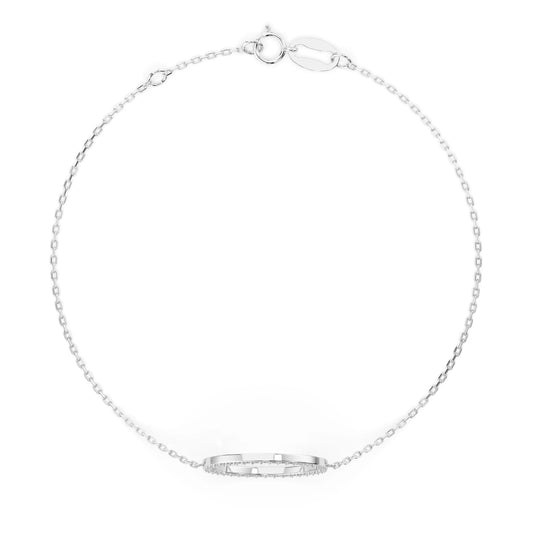
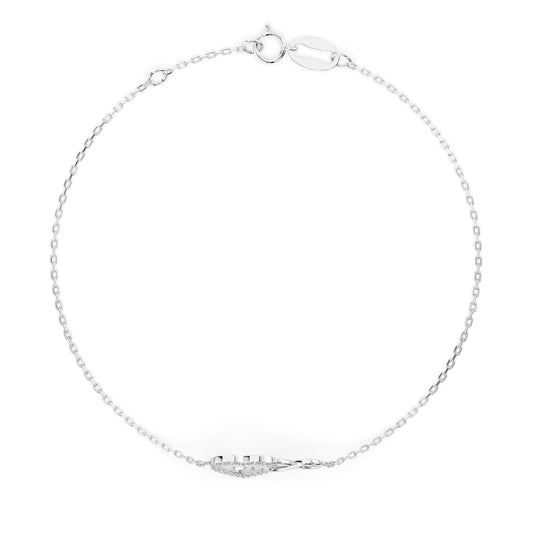
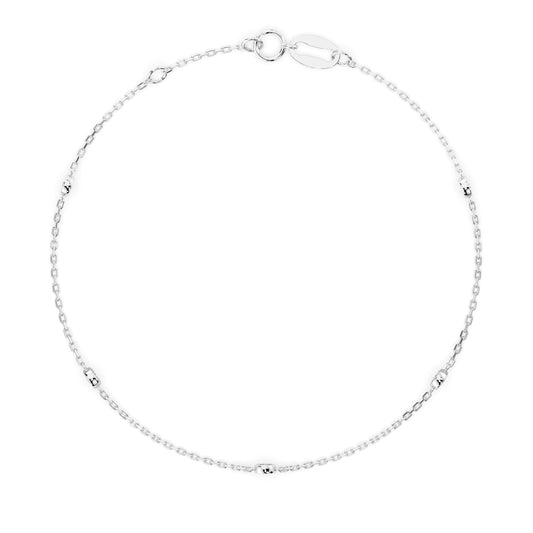
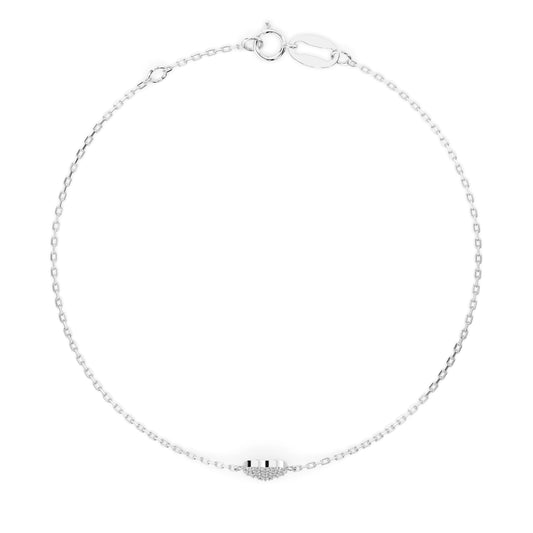
Diamond Bracelets & Tennis Bracelets in Solid 9ct, 14ct & 18ct Gold
A diamond bracelet takes more punishment than any other piece of jewellery — it knocks against desks, doorframes and steering wheels all day. Plated links wear through at the hinge first, and once they do the piece is finished. Every Qutahia diamond tennis bracelet and link bracelet is built in solid 9ct, 14ct or 18ct gold with a secured box clasp and safety catch.
What Makes a Tennis Bracelet a Tennis Bracelet?
A diamond tennis bracelet is a continuous line of diamonds of matched size and cut, each individually set and joined by flexible links so the whole piece drapes around the wrist rather than sitting rigid. The name comes from a 1987 US Open match where a player's line bracelet broke mid-play and the game was paused while she found it — the term stuck. What matters practically is the setting: four-claw settings maximise light through each stone, while channel and bezel settings sit lower and are far harder to catch on a sleeve.
Getting the Length Right
A diamond bracelet should have roughly a finger's width of movement — loose enough to rotate, tight enough not to slide over the hand. Measure your wrist snugly with a tape and add half an inch. 7 inches fits most adult women, 7.5 inches is the common alternative, and 8 to 8.5 inches covers most men. A tennis bracelet that is too long wears out its clasp faster, because the weight of the stones drags on the fastening all day.
Choosing Carat Weight and Gold
Total carat weight across a line bracelet is what determines both presence and price. 1ct to 2ct total gives a fine, understated line suited to everyday wear. 3ct to 5ct total is the classic statement weight. 9ct gold is the hardest alloy and the sensible choice for a bracelet that will take knocks; 18ct offers a richer colour for occasion pieces. Lab grown diamonds make the greatest difference on bracelets specifically, because a line bracelet needs dozens of matched stones — the saving compounds across every setting.
Explore the Diamond Collection
Pair with diamond rings, diamond earrings and diamond necklaces, browse our solid gold bracelets, or view the full diamond collection. For a bracelet made to your own specification, start your bespoke design.
Diamond Bracelet Questions, Answered
Measure your wrist snugly and add half an inch. 7 inches fits most adult women, 8 to 8.5 inches most men. You want enough movement to rotate the bracelet, but not enough for it to slip over the hand.
Yes — choose a channel or bezel setting rather than raised claws, which sit lower and resist catching. Remove it for the gym and for anything involving hand tools; the clasp, not the stones, is what fails under strain.
Ours use a box clasp with an additional safety catch, so the bracelet stays fastened even if the primary clasp is knocked open. Check the catch is engaged each time you put it on — that habit prevents almost every loss.
1ct to 2ct total for a fine everyday line, 3ct to 5ct total for a statement piece. Total weight is spread across every stone, so a 3ct bracelet has small individual diamonds — the effect comes from the unbroken line, not any single stone.
A line bracelet can usually be shortened by removing whole links, which means adjustment comes in fixed increments rather than exact measurements. Tell us your wrist size when ordering and we will advise on the closest fit.
Warm water, a drop of washing-up liquid, and a soft brush worked along both sides of the line to reach behind each setting. Dry it flat. Dirt collects under the stones where the links flex, which is exactly where the light needs to get in.