
Emerald Cut Engagement Rings in Solid 9ct, 14ct & 18ct Gold
An emerald cut engagement ring does not sparkle like a round brilliant, and that is the point. Instead of hundreds of small facets scattering light, the emerald cut uses long parallel steps that throw broad flashes across the stone — jewellers call it the hall of mirrors. It is a quieter, more architectural kind of brilliance, and once you notice the difference it is hard to unsee.
One point of confusion worth clearing up first: emerald cut is a shape, not a gemstone. Every ring on this page holds a diamond cut to that shape, not a green emerald. Each is set in solid 9ct, 14ct or 18ct gold — never plated — in yellow, white or rose, from £1,350. All seventeen designs here use lab grown diamonds, made to order in 10 to 14 days.
-
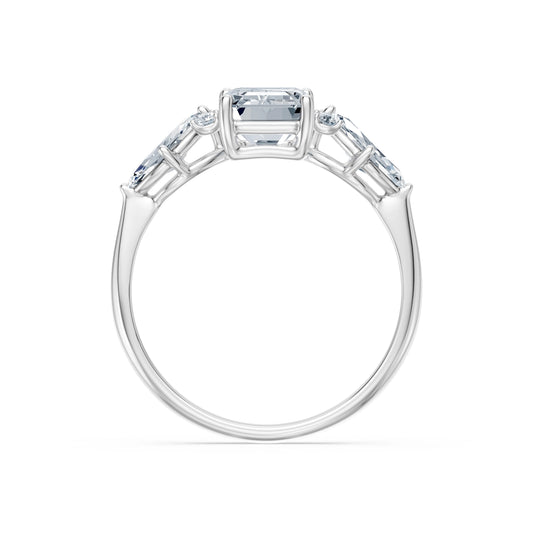
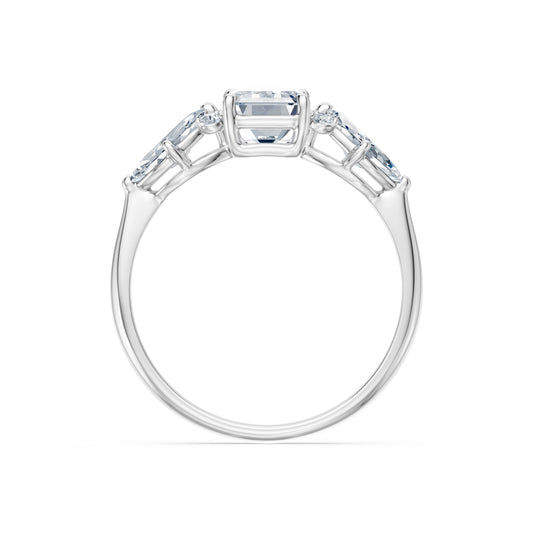
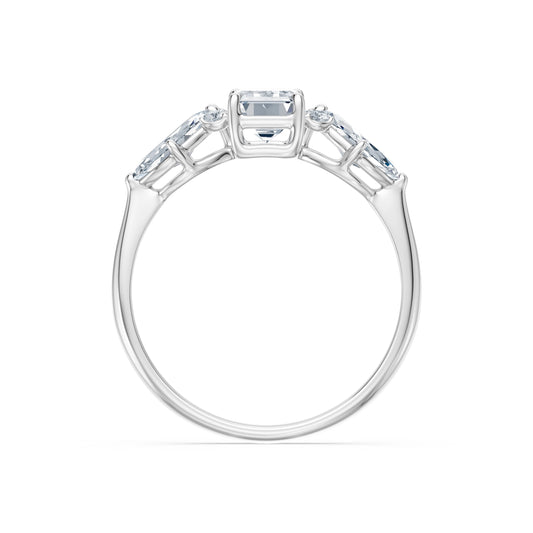
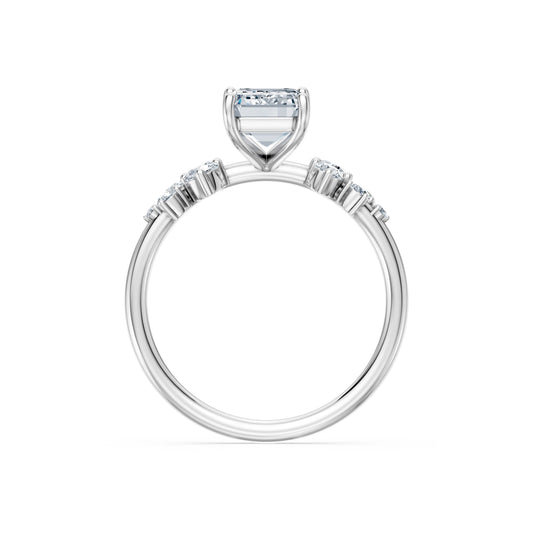
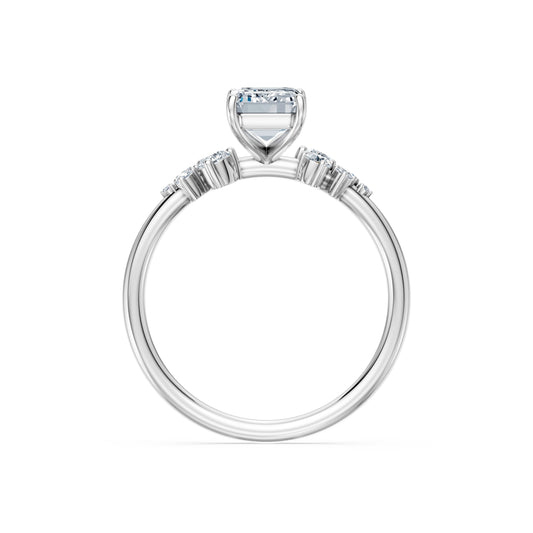
Emerald Lab Grown Diamond Three Stone Engagement Ring 2.0ct | Qutahia Jewellery
Regular price From $3,135.00Regular price -
Emerald Lab Grown Diamond Three Stone Engagement Ring 1.5ct | Qutahia Jewellery
Regular price From $2,580.00Regular price -
Emerald Lab Grown Diamond Three Stone Engagement Ring 1.0ct | Qutahia Jewellery
Regular price From $2,250.00Regular price -
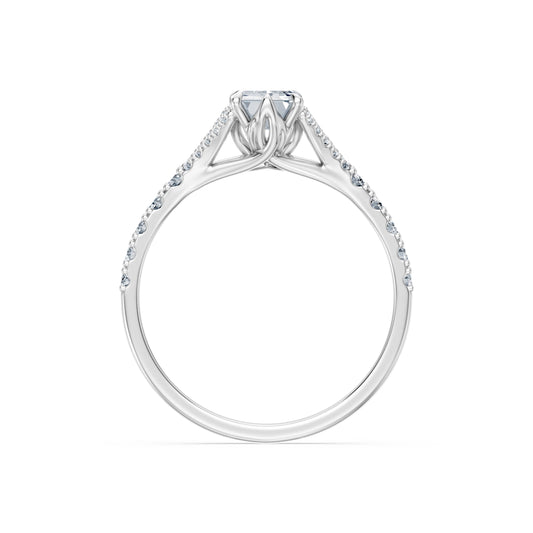
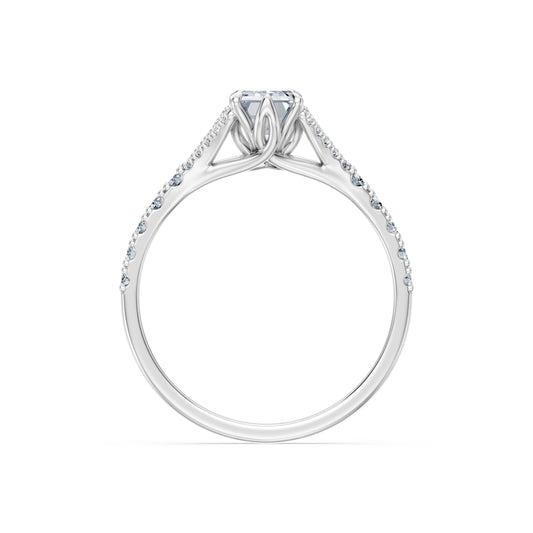
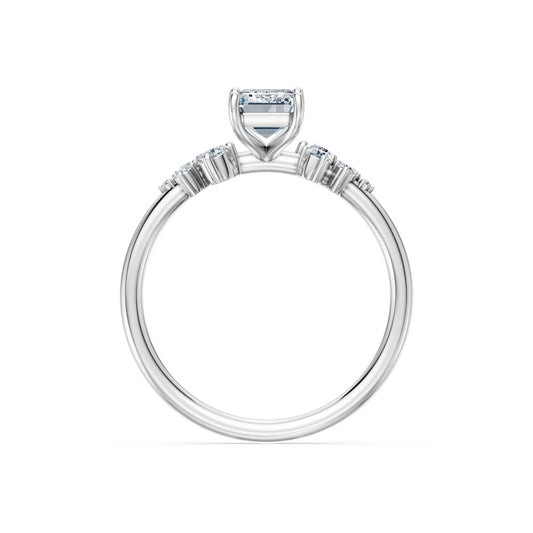
Emerald Lab Grown Diamond Split Shank Engagement Ring 2.0ct | Qutahia Jewellery
Regular price From $2,715.00Regular price -
Emerald Lab Grown Diamond Split Shank Engagement Ring 1.5ct | Qutahia Jewellery
Regular price From $2,146.00Regular price -
Emerald Lab Grown Diamond Split Shank Engagement Ring 1.0ct | Qutahia Jewellery
Regular price From $1,800.00Regular price -
Emerald Lab Grown Diamond Cluster Engagement Ring 2.0ct | Qutahia Jewellery
Regular price From $2,550.00Regular price -
Emerald Lab Grown Diamond Cluster Engagement Ring 1.5ct | Qutahia Jewellery
Regular price From $1,980.00Regular price -
Emerald Lab Grown Diamond Cluster Engagement Ring 1.0ct | Qutahia Jewellery
Regular price From $1,635.00Regular price -
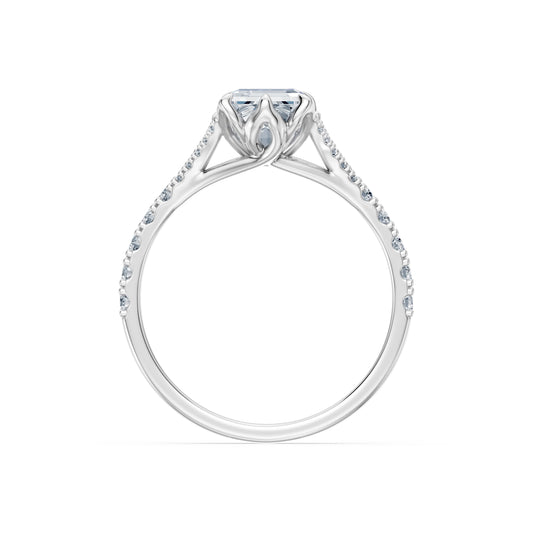
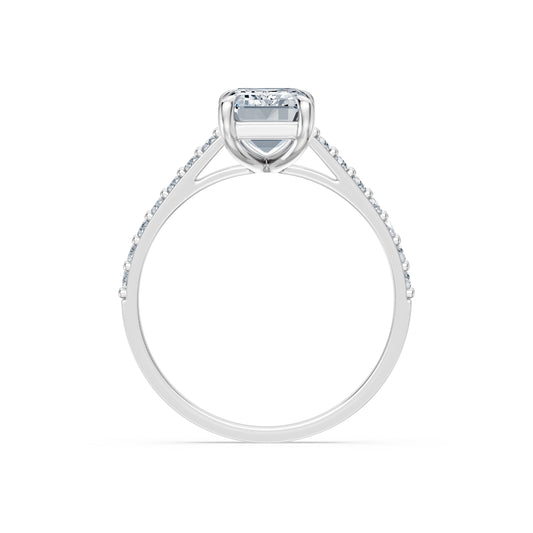
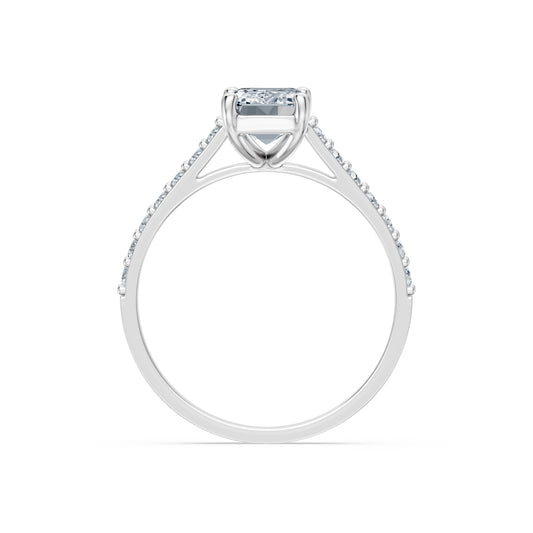
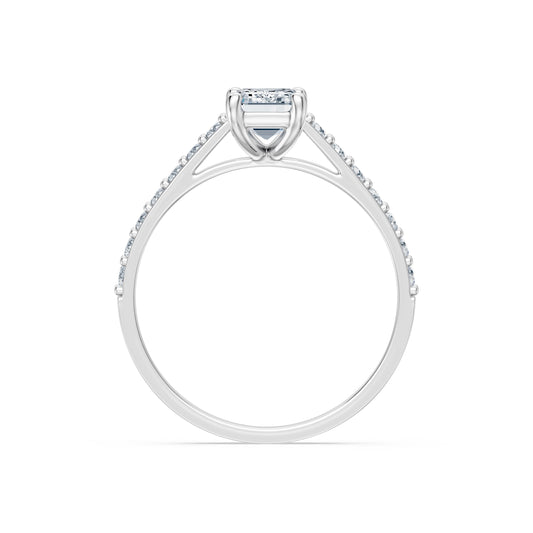
Emerald Lab Grown Diamond Pave Engagement Ring 2.0ct | Qutahia Jewellery
Regular price From $2,475.00Regular price -
Emerald Lab Grown Diamond Pave Engagement Ring 1.5ct | Qutahia Jewellery
Regular price From $1,920.00Regular price -
Emerald Lab Grown Diamond Pave Engagement Ring 1.0ct | Qutahia Jewellery
Regular price From $1,591.00Regular price -
Emerald Lab Grown Diamond Hidden Halo Engagement Ring 2.0ct | Qutahia Jewellery
Regular price From $2,445.00Regular price -
Emerald Lab Grown Diamond Hidden Halo Engagement Ring 1.5ct | Qutahia Jewellery
Regular price From $1,890.00Regular price -
Emerald Lab Grown Diamond Hidden Halo Engagement Ring 1.0ct | Qutahia Jewellery
Regular price From $1,531.00Regular price -
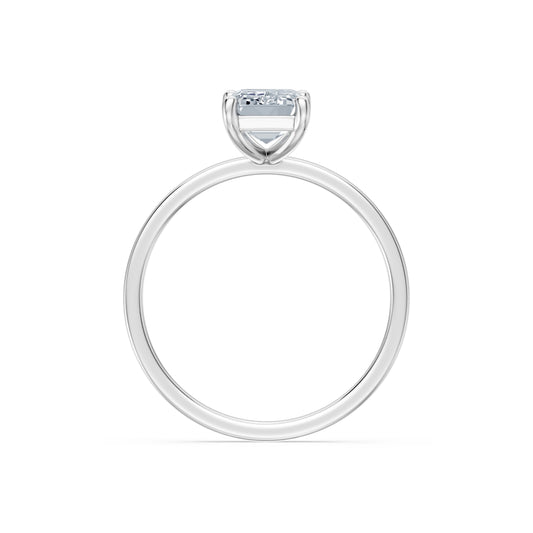
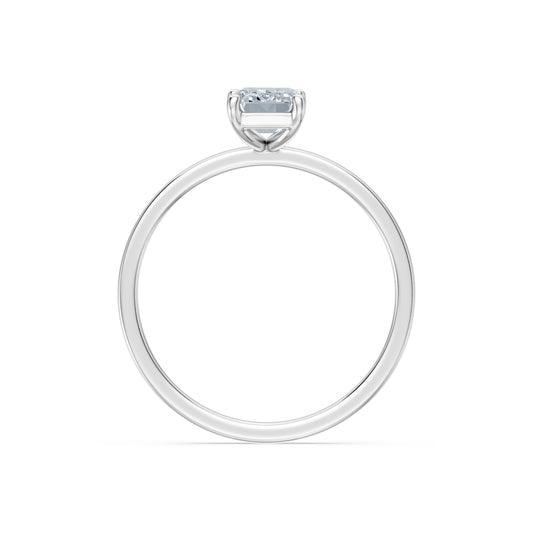
Emerald Lab Grown Diamond Solitaire Engagement Ring 2.0ct | Qutahia Jewellery
Regular price From $2,340.00Regular price -
Emerald Lab Grown Diamond Solitaire Engagement Ring 1.5ct | Qutahia Jewellery
Regular price From $1,800.00Regular price -
Emerald Lab Grown Diamond Solitaire Engagement Ring 1.0ct | Qutahia Jewellery
Regular price From $1,395.00Regular price













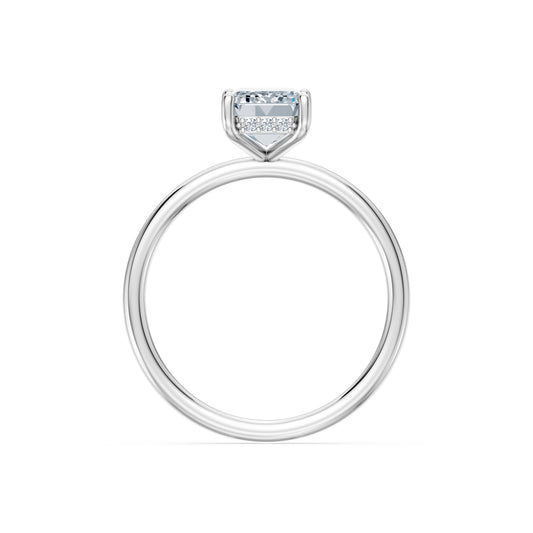

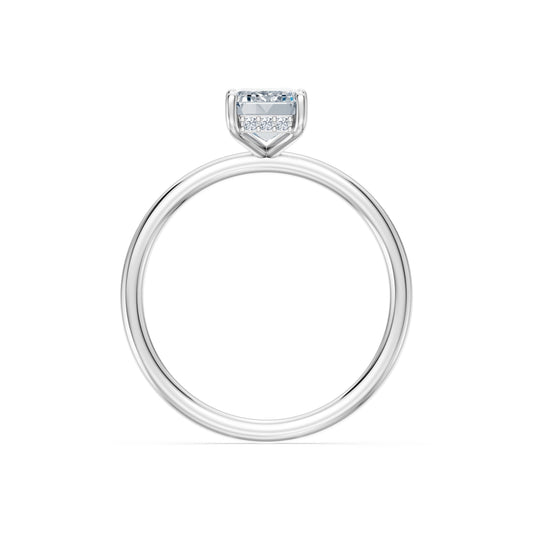

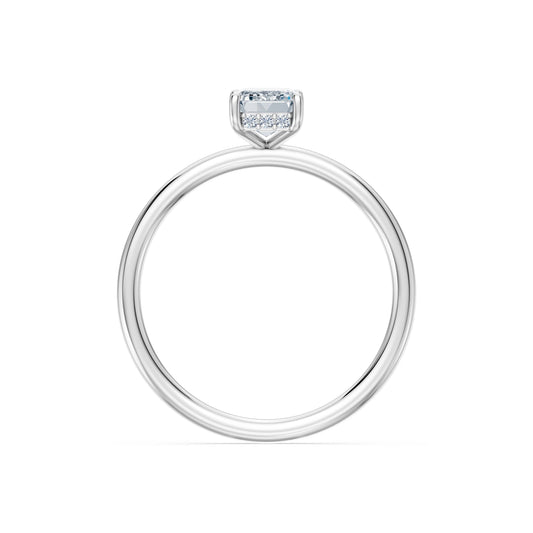

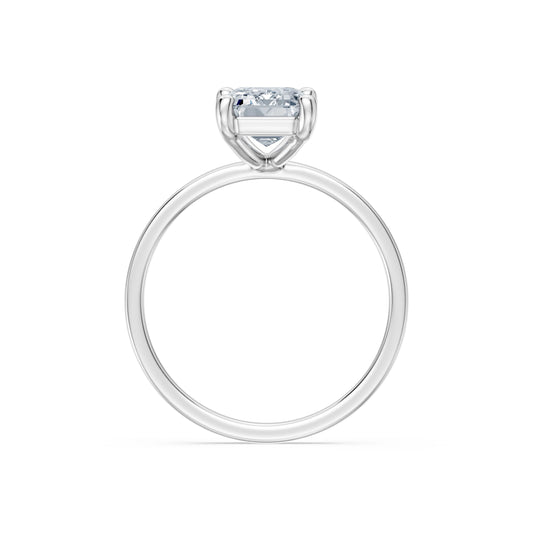


Clarity matters more here than in any other shape
If you take one thing from this page, take this. The emerald cut has a large, flat, open table and long unbroken facets. There is nowhere for an inclusion to hide.
In a round brilliant, the facets bounce light so busily that a small feather or crystal disappears into the sparkle — which is why plenty of people happily buy SI1 rounds and never see a thing. Put that same inclusion under an emerald cut table and you are looking straight through clear glass at it.
The practical rule: for an emerald cut, do not go below VS2, and prefer VS1 if the stone is over 1.5 carats. It is better to drop a colour grade than a clarity grade in this shape. The GIA's explanation of the 4Cs covers what the grades mean; what it does not say is that their relative importance changes with shape. For emerald cuts it changes a lot.
Every emerald cut in this collection is VS or better. That is a deliberate floor, not a coincidence.
Step cut versus brilliant cut: what actually changes
Diamonds are faceted in two broad families. Brilliant cuts — round, oval, cushion, pear — use triangular and kite-shaped facets arranged to fire light back at you in small bright points. Step cuts — emerald and baguette — use long rectangular facets running parallel to the girdle, like the steps of a staircase.
The result is fewer, larger flashes rather than constant glitter. Light travels further inside the stone before it comes back out, which is also why body colour and inclusions show more readily. An emerald cut is a more honest stone: it hides less, and it rewards a better one.
The cropped corners are not decoration either. They remove the sharp points that make a princess cut vulnerable to chipping, which makes the emerald one of the more robust fancy shapes for daily wear.
Are emerald cut engagement rings timeless?
More than most. The shape was formalised for diamonds in the 1920s, taking its name from the way emeralds had been cut for centuries to relieve pressure on a brittle stone. It arrived alongside Art Deco and has never really left — which is a longer unbroken run than almost any other fancy shape can claim.
It is also the shape least tied to a decade. Because its appeal is proportion rather than ornament, an emerald cut solitaire from 1930 and one made this week look like the same idea. If you are worried about a ring dating, this is the safest fancy shape you can choose.
Length-to-width ratio: square or elongated
An emerald cut's proportions change its character completely:
- 1.30 to 1.40 — the classic rectangle. Balanced, and what most people picture.
- 1.45 to 1.60 — elongated. Slims the finger, reads larger, very Art Deco.
- Around 1.00 — a square emerald cut, usually called an Asscher. A distinct look with its own following.
Unlike an oval, an emerald cut has no bow tie to worry about, so ratio here is purely aesthetic. Choose the outline you prefer.
Side stones: why baguettes belong here
The traditional partner for an emerald cut is a pair of tapered baguettes or trapezoids — step cut side stones that match the centre's facet language instead of fighting it. Set brilliant-cut rounds beside an emerald cut and the difference in sparkle makes the centre look dull; set step cuts beside it and the whole ring reads as one object.
If you prefer a single stone, a solitaire setting gives the outline nothing to compete with. A hidden halo adds lift and perceived size without disturbing the silhouette from above, and a three stone design extends the horizontal line across the finger.
What an emerald cut engagement ring costs
This collection runs from £1,350 to £3,900. All seventeen rings use lab grown diamonds, which is what puts a two-carat emerald cut within reach at these figures — a natural stone of the same weight and clarity would cost several times more.
That matters more for this shape than most. Because an emerald cut demands higher clarity, the natural-stone premium compounds: you are paying more per carat and being pushed up the clarity scale. Lab grown removes both pressures at once, which is why it dominates this collection rather than by accident.
Gold carat barely moves the price. Choose 9ct for hardness and scratch resistance, 18ct for depth of colour, 14ct if you want the middle ground — it is a wear decision, not a quality ladder.
Common questions
Is an emerald cut engagement ring an emerald?
No. Emerald cut describes the shape and faceting style. Every ring here holds a diamond. The name comes from the way emerald gemstones have traditionally been cut, because the long step facets reduce stress on a stone that chips easily.
Does an emerald cut look bigger than a round?
Yes, for the same carat weight. The large open table and elongated outline spread more of the stone across the finger. A one-carat emerald cut typically measures around 7mm by 5mm against a one-carat round's 6.5mm diameter.
Emerald cut or radiant — what is the difference?
They share an outline but not a personality. A radiant has the same cropped-corner rectangle cut with brilliant faceting, so it sparkles like a round while looking like an emerald. If you want the shape but not the quiet optics, a radiant is the answer — and it will forgive a lower clarity grade.
Can I have a different stone size or setting?
Yes. Everything is made to order in our own workshop, so centre stone, ratio, clarity, gold carat and setting can all be specified. If what you want is not shown, commission it — the first conversation costs nothing.