
Cluster Jewellery
Cluster jewellery across rings, earrings and necklaces — several small diamonds grouped to read as one larger stone. Solid gold, never plated.
-
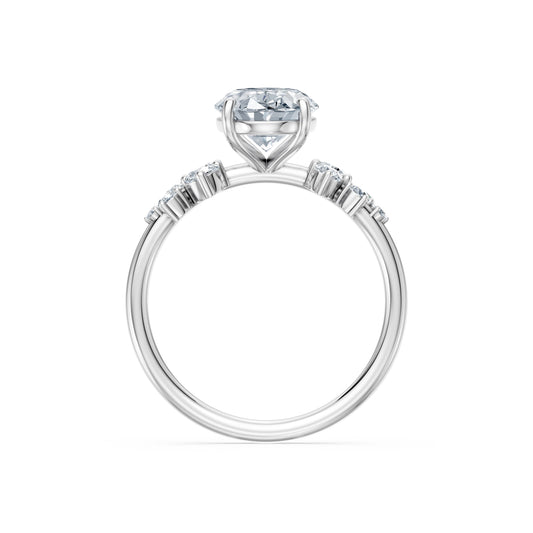
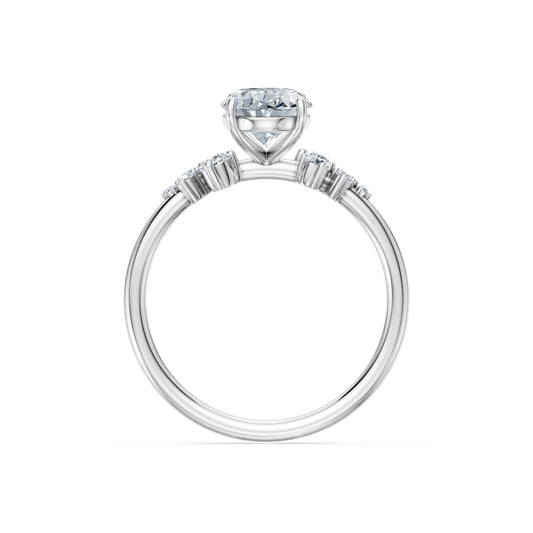
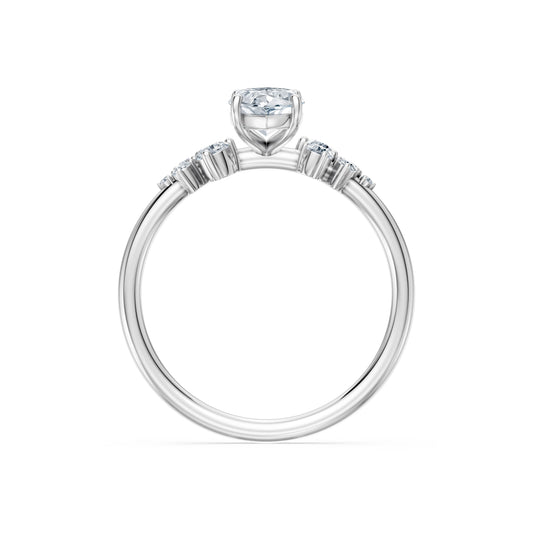
Oval Lab Grown Diamond Cluster Engagement Ring 2.0ct | Qutahia Jewellery
Regular price From $2,005.00Regular price$2,505.00Sale price From $2,005.00Sale -
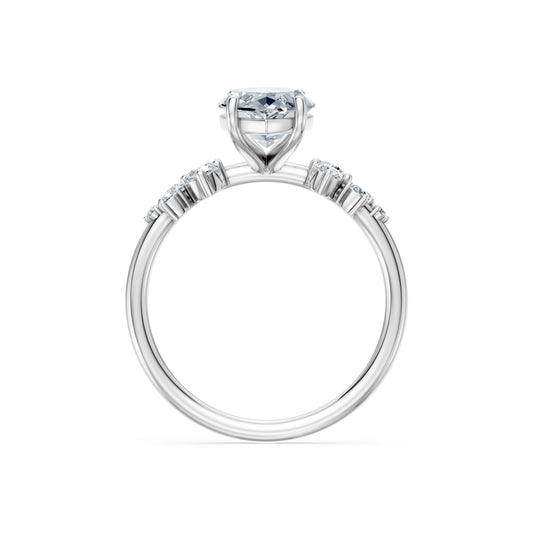
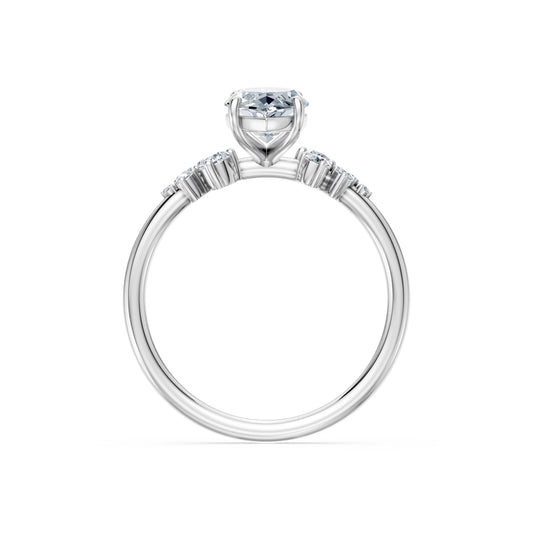
Marquise Lab Grown Diamond Cluster Engagement Ring 2.0ct | Qutahia Jewellery
Regular price From $2,740.00Regular price$3,045.00Sale price From $2,740.00Sale -
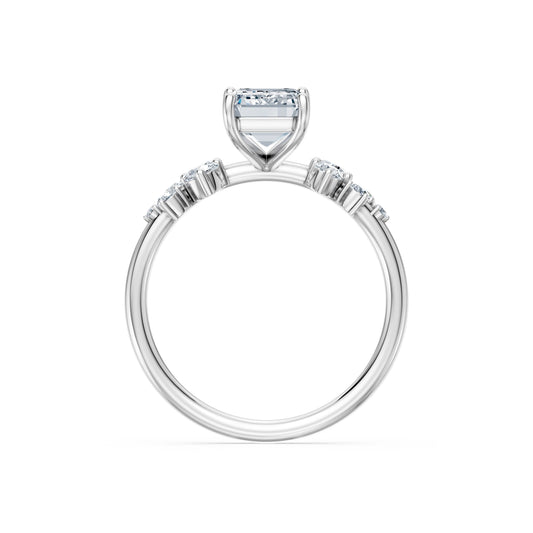
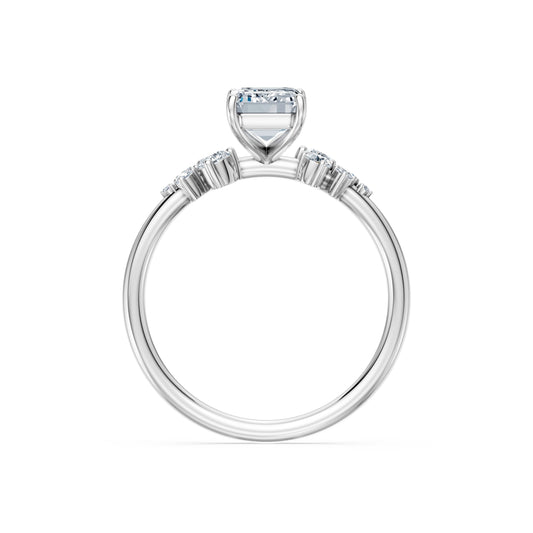
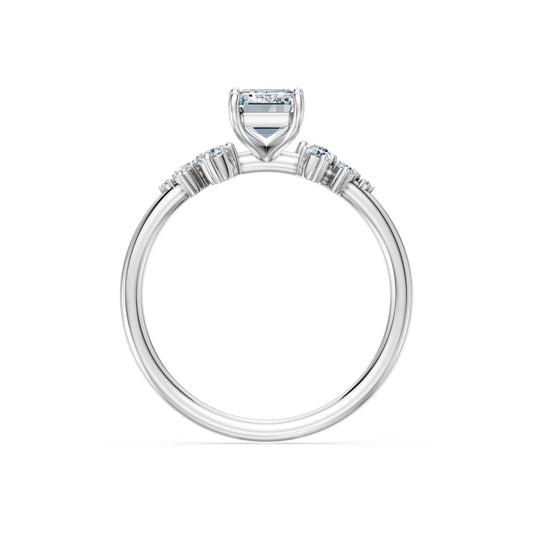
Emerald Lab Grown Diamond Cluster Engagement Ring 2.0ct | Qutahia Jewellery
Regular price From $2,295.00Regular price$2,550.00Sale price From $2,295.00Sale -
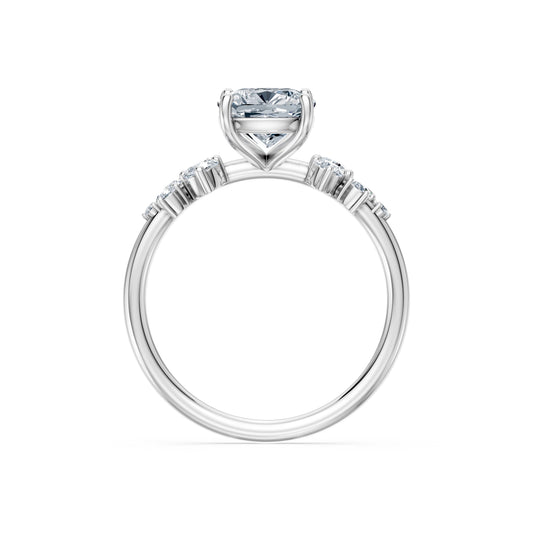
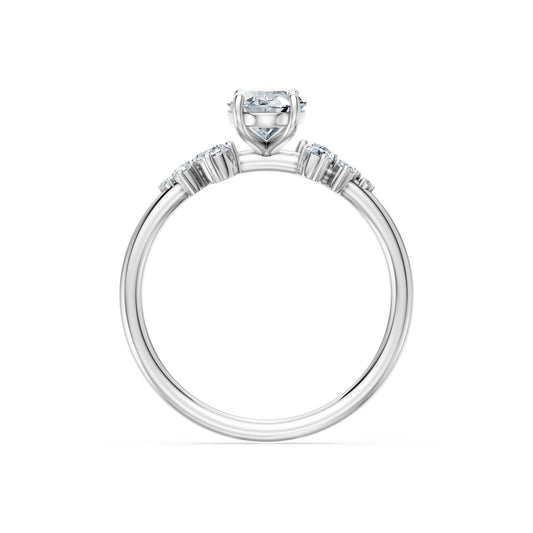
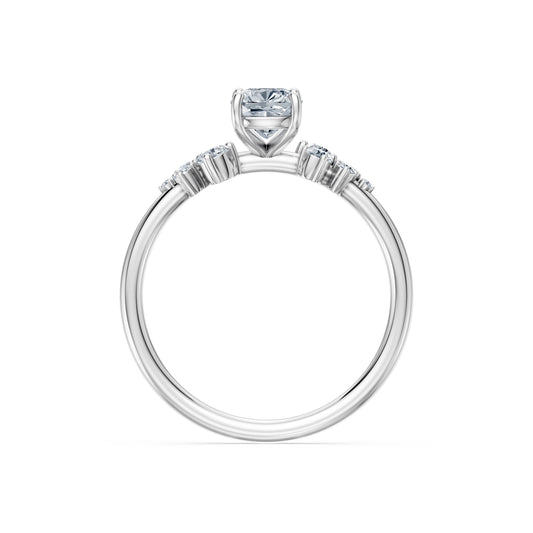
Cushion Lab Grown Diamond Cluster Engagement Ring 2.0ct | Qutahia Jewellery
Regular price From $2,335.00Regular price$2,595.00Sale price From $2,335.00Sale -
Oval Lab Grown Diamond Cluster Engagement Ring 1.5ct | Qutahia Jewellery
Regular price From $1,585.00Regular price$1,980.00Sale price From $1,585.00Sale -
Marquise Lab Grown Diamond Cluster Engagement Ring 1.5ct | Qutahia Jewellery
Regular price From $1,835.00Regular price$2,296.00Sale price From $1,835.00Sale -
Emerald Lab Grown Diamond Cluster Engagement Ring 1.5ct | Qutahia Jewellery
Regular price From $1,585.00Regular price$1,980.00Sale price From $1,585.00Sale -
Oval Lab Grown Diamond Cluster Engagement Ring 1.0ct | Qutahia Jewellery
Regular price From $1,295.00Regular price$1,620.00Sale price From $1,295.00Sale -
Marquise Lab Grown Diamond Cluster Engagement Ring 1.0ct | Qutahia Jewellery
Regular price From $1,465.00Regular price$1,830.00Sale price From $1,465.00Sale -
Emerald Lab Grown Diamond Cluster Engagement Ring 1.0ct | Qutahia Jewellery
Regular price From $1,310.00Regular price$1,635.00Sale price From $1,310.00Sale -
Cushion Lab Grown Diamond Cluster Engagement Ring 1.0ct | Qutahia Jewellery
Regular price From $1,355.00Regular price$1,695.00Sale price From $1,355.00Sale -
Petite Trio Cluster Diamond Stud Earrings Round 0.6ct | Qutahia Jewellery
Regular price From $1,080.00Regular price$1,201.00Sale price From $1,080.00Sale -
Trio Cluster Drop Diamond Pendant Necklace Round 0.5ct | Qutahia Jewellery
Regular price From $1,065.00Regular price$1,185.00Sale price From $1,065.00Sale -
Cluster Diamond Stud Earrings 0.12ct | Qutahia Jewellery
Regular price From $670.00Regular price$840.00Sale price From $670.00Sale -
Star Cluster Diamond Pendant Necklace Round 0.2ct | Qutahia Jewellery
Regular price From $755.00Regular price$945.00Sale price From $755.00Sale -
Trio Cluster Drop Diamond Pendant Necklace Round 0.2ct | Qutahia Jewellery
Regular price From $745.00Regular price$930.00Sale price From $745.00Sale -
Cluster Diamond Stud Earrings 0.3ct | Qutahia Jewellery
Regular price From $1,035.00Regular price$1,291.00Sale price From $1,035.00Sale -
Flower Cluster II Solitaire Eternity Diamond Ring Round 0.15ct | Qutahia Jewellery
Regular price From $815.00Regular price$1,021.00Sale price From $815.00Sale -
Butterfly Cluster Diamond Stud Earrings Princess 0.34ct | Qutahia Jewellery
Regular price From $1,500.00Regular price$1,875.00Sale price From $1,500.00Sale -
Trio Cluster Diamond Stud Earrings Round 0.12ct | Qutahia Jewellery
Regular price From $540.00Regular price$676.00Sale price From $540.00Sale -
Flower Cluster II Solitaire Eternity Diamond Ring Round 0.1ct | Qutahia Jewellery
Regular price From $600.00Regular price$750.00Sale price From $600.00Sale -
Petite Trio Cluster Small Diamond Earrings Round 0.2ct | Qutahia Jewellery
Regular price From $770.00Regular price$960.00Sale price From $770.00Sale -
Trio Cluster Drop Diamond Pendant Necklace Round 0.1ct | Qutahia Jewellery
Regular price From $625.00Regular price$780.00Sale price From $625.00Sale -
Cluster Diamond Pendant Necklace 0.1ct | Qutahia Jewellery
Regular price From $625.00Regular price$780.00Sale price From $625.00Sale -
Flower Cluster Solitaire Eternity Diamond Ring Round 0.15ct | Qutahia Jewellery
Regular price From $805.00Regular price$1,005.00Sale price From $805.00Sale -
Cluster Diamond Pendant Necklace 0.06ct | Qutahia Jewellery
Regular price From $540.00Regular price$676.00Sale price From $540.00Sale -
Flower Cluster Diamond Stud Earrings Round 0.2ct | Qutahia Jewellery
Regular price From $530.00Regular price$660.00Sale price From $530.00Sale -
Petite Cluster Diamond Stud Earrings Round 0.2ct | Qutahia Jewellery
Regular price From $540.00Regular price$676.00Sale price From $540.00Sale -
Star Cluster Diamond Pendant Necklace Round 0.1ct | Qutahia Jewellery
Regular price From $650.00Regular price$810.00Sale price From $650.00Sale -
Pavé Cluster Disc Illusion Diamond Earrings Round 0.06ct | Qutahia Jewellery
Regular price From $900.00Regular price$1,125.00Sale price From $900.00Sale -
Petite Trio Cluster Diamond Stud Earrings Round 0.3ct | Qutahia Jewellery
Regular price From $615.00Regular price$766.00Sale price From $615.00Sale -
Marquise Cluster Diamond Hoop Earrings 0.2ct | Qutahia Jewellery
Regular price From $660.00Regular price$825.00Sale price From $660.00Sale -
Petite Cluster Diamond Stud Earrings Round 0.12ct | Qutahia Jewellery
Regular price From $360.00Regular price$600.00Sale price From $360.00Sale -
Flower Cluster Diamond Stud Earrings Round 0.4ct | Qutahia Jewellery
Regular price From $745.00Regular price$930.00Sale price From $745.00Sale -
Flower Cluster Solitaire Eternity Diamond Ring Round 0.1ct | Qutahia Jewellery
Regular price From $670.00Regular price$840.00Sale price From $670.00Sale -
Pavé Cluster Disc Illusion Diamond Necklace Round 0.1ct | Qutahia Jewellery
Regular price From $850.00Regular price$1,065.00Sale price From $850.00Sale













The maths behind every cluster piece we make
Diamond pricing rises steeply with size — a 1 carat stone costs considerably more than twice a 0.5 carat one, because large rough is far rarer than small rough. A cluster inverts that curve: buy the diamond in several small pieces and group them tightly, and the combined visible area rivals a much larger single stone for a fraction of the cost. This is true whether the cluster sits on a finger, an earlobe, or a chain — the same arithmetic works in every category.
If you already know which piece you want, go straight to cluster engagement rings, earrings, or necklaces. This page covers the technique across everything we make.
Where you'll find it
- Rings — cluster engagement rings, where the technique buys the most apparent carat weight for the price of any ring setting we offer.
- Earrings — our largest cluster category: trio and petite cluster studs, flower and marquise cluster arrangements, several combined with an illusion setting for extra sparkle.
- Necklaces — cluster and star cluster pendants, plus pavé-cluster discs that combine both techniques in one small pendant.
The honest trade-off, wherever the cluster sits
A cluster returns light differently to a single well-cut stone — many small flashes rather than a few broad ones, brighter from a distance but reading as sparkle rather than one clear diamond up close. It also means more settings to maintain: twenty small stones means twenty small claws or beads, each one a place that can eventually need checking. None of this is a reason to avoid a cluster piece — it is the reason to clean it regularly and have the settings checked annually, in a ring, earring, or pendant alike.
Cluster or halo — what's the difference?
A halo keeps one clear centre stone with smaller diamonds framing it. A cluster has no dominant centre at all — the whole arrangement is the design. Cluster is generally the more cost-effective of the two for maximum apparent size; halo keeps a single hero stone visible.
Common questions
Do cluster pieces look cheap?
A badly made one does, and the tell is always the setting — uneven gaps, visible metal between stones, diamonds sitting at different heights. A well-set cluster reads as one continuous surface of light, in a ring, earring or pendant alike.
Can I get a matching cluster set?
Often, yes, since the same technique runs across our ring, earring and necklace ranges. If you want an exact matching set, commission it — the first conversation costs nothing.
Frequently asked questions
What's the benefit of cluster jewellery over a single larger stone?
Grouped smaller diamonds give more visual size and sparkle for your budget than one equivalent larger stone would cost — a practical way to get more visible diamond.
Is cluster jewellery available outside engagement rings?
Yes, the cluster setting appears across our earrings and necklaces too, giving you the option to match the look in more than one piece.
Are cluster settings harder to keep clean?
A little — dust collects between grouped stones more than on a single stone, so a soft-brush clean every few weeks keeps them looking their best.
What gold options come with cluster jewellery?
Solid 9ct, 14ct and 18ct gold, hallmarked, never plated, in yellow, white or rose gold depending on the piece.